
National Rural Crime Action Week, 2026 Recap
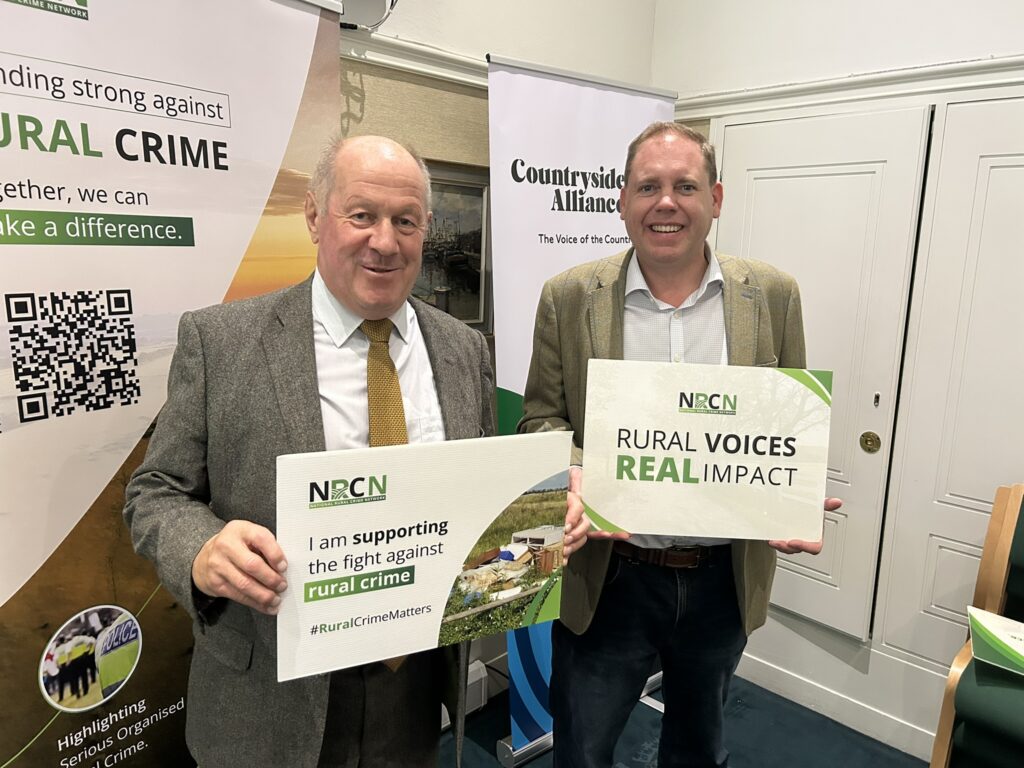
Strengthening the Case for Rural Voices in Police Reform Action Week Article National Rural Crime Action Week 2026 6th–11th September 2026 Theme: Police Reform Must Include Rural Communities “Policing resources need to be improved, and it’s time we work together to make sure rural areas get a fairer deal.” — Tim Passmore, Chairman of NRCN and PCC for Suffolk National Rural Crime Action Week 2026 brought together six days of continuous conversations focused on the issues shaping rural crime and policing. Under the theme “Police Reform Must Include Rural Communities,” the programme transitioned from understanding the scale of rural crime to examining policing capability, community participation, partnerships and practical action. Day 1 Serious & Organised Rural Crime: The week opened by examining organised criminal networks operating across rural areas and the wider impact of rural crime on communities, livelihoods and businesses. Day 2 Rural Crime Teams & Community Confidence The focus turned to specialist Rural Crime Teams, policing visibility, local knowledge, intelligence and the importance of maintaining community confidence as policing structures evolve. Day 3 Parliamentary Drop-in Event At the House of Commons, 35 MPs and peers joined rural organisations and policing representatives to discuss rural resources, local accountability, specialist expertise, waste crime, intelligence sharing and equipment theft. Day 4 Partnerships in Action The week highlighted practical collaboration, including specialist rural crime training for more than 330 Cambridgeshire police officers and a pan-Wales operation targeting illegal off-roading. Day 5 Community Participation Nottinghamshire’s Rural Watch demonstrates how residents, volunteers, technology and policing can work together to strengthen prevention and intelligence. Day 6 Calls to Action NRCN’s 10-point roadmap set out practical priorities for tackling rural crime, from policing and specialist training to victim support, technology and stronger action against organised crime. Throughout the week, the programme connected policy discussion with practical examples of how rural crime was being addressed on the ground. The campaign was supported by the NRCN network wide network of partners and associate members, including NFU, NFU Mutual, Crimestoppers, Countryside Alliance, CLA, Rural Services Network, APCC, The Willow Project, Historic England and Naturewatch Foundation, alongside Openreach, Clearway Group, Harper Adams University, VIN Chip and SelectaDNA. Rural communities as Part of the Rural Crime Response Community participation featured strongly during action week, with a Rural Watch scheme providing a practical example of how residents could support rural crime prevention. In Nottinghamshire, the scheme connected volunteers with police to share information, report suspicious activity, and strengthen local intelligence. It demonstrated the value of local knowledge and community intelligence alongside policing resources, particularly across large and dispersed rural areas. Rural Crime Is Bigger Than Crime Alone National Rural Crime Action Week also highlighted how rural crime intersects with other forms of crime including wildlife crime, domestic abuse, waste crime, and community wellbeing. The contribution from Naturewatch Foundation focused on violence against women and girls in rural communities. It also focused on the additional challenges created by isolation, and limited access to services. These perspectives reflected that rural crime also has an impact on personal safety, livelihoods, the environment and community wellbeing, requiring responses that reflect the realities of rural communities. Voices Shaping the Rural Policing Debate PCCs and policing leaders used the week to put forward a range of perspectives on the future of rural policing. Tim Passmore, Chair NRCN & Police and Crime Commissioner for Suffolk; David Sidwick, PCC Dorset; Jonathan Ash-Edwards, PCC Hertfordshire; Jo Coles, Deputy Mayor for Policing, Fire & Crime for York and North Yorkshire; and Leo Hammond, Deputy Police and Crime Commissioner for Humberside, alongside other regional voices, highlighted issues including: specialist rural capability policing visibility local knowledge fair resources and strong community relationships Their contributions reflected different rural policing contexts while reinforcing the need for rural priorities to remain visible as policing structures and priorities evolve. The perspectives shared added practical policing experience to the wider debate and strengthened the case for rural communities to have a meaningful place in discussions about future reform. Rural Crime Action Week across the UK The week extended well beyond a single region, with police forces, PCCs, rural organisations and community initiatives supporting activity across England, Wales and Northern Ireland. Contributions included rural policing activities in Wiltshire, Hampshire, Nottinghamshire, Cambridgeshire and North Wales, alongside Rural Crime Week NI. The range of activities reflected the different challenges faced by rural communities – from theft and organised crime to wildlife crime, illegal off-roading, waste crime, road safety and community safety. Regional participation also demonstrated how local knowledge and targeted action could complement the wider national focus on rural crime. Across these different locations, Action Week provided a shared platform for showcasing local activity, practical responses and the partnerships working to protect rural communities. A National Conversation Amplified National Rural Crime Action Week extended beyond the organisations directly involved in the programme. National and regional media coverage, alongside activity from PCCs, police forces and partner organisations, brought rural crime in front of wider audiences and kept in on the national conversation. The visibility across farming, rural affairs, policing and mainstream media, helping to highlight the issues raised during the week and extending the discussion beyond rural crime specialists. The Parliamentary Drop-in and contributions from policing and sector leaders provided further opportunities to keep rural priorities visible in national discussions. From Awareness to Action The scale of engagement during crime action week helped strengthen the case for rural communities to be included in policing reform. Parliamentary engagement, policing perspectives, practical activity and national media coverage kept rural crime visible across the wider debate. The week also reinforced the priorities set out in NRCN’s Police Reform Position Statement, including the need to protect specialist rural capability, maintain effective local policing and ensure rural communities are properly represented in future policing structures. Launching National Rural Crime Uncovered Rural Crime Action Week also marked the launch of National Rural Crime Uncovered, NRCN’s podcast hosted by criminologist Dr Kate Tudor. The series created space for deeper discussions with PCCs, policing leaders, researchers and specialists, exploring serious and organised rural crime, rural
Future of Rural England Report,2026: What it means for Rural Communities
Future of Rural England Report,2026: What it means for Rural Communities Rural England contributes an extraordinary £259 billion to the country’s economy each year. It is home to 9.7 million people and covers around 85% of the country’s land mass. Yet for too long, rural communities have often been an afterthought in national policymaking. The UK Government’s newly published Future of Rural England Report, released by the Department for Environment, Food and Rural Affairs (Defra) on 16 July 2026, sets out to change that. At the National Rural Crime Network (NRCN), we believe this report marks an important shift in how the government thinks about rural England, and we want our communities and partners to understand what it means for them. What Is the Report About? The report is the product of a year-long Rural Taskforce, established by the Department for Environment, Food and Rural Affairs (Defra) in April 2025 to bring together government departments, businesses, and rural organisations. Its central message is a change in approach: Rather than reviewing rural impact after policies are made, government departments will now be expected to consider rural needs from the outset of policy design – an approach known as ‘Rural Proofing.’ As the Environment Secretary puts it in her foreword, this is not about pitting up the countryside against the city. It is about ensuring that every community, wherever it is, has genuine access to opportunity and investment. The Six Themes at the Heart of the Report Drawing on evidence gathered through the Statistical Digest of Rural England, the report is structured around six critical themes for rural life: Rural growth: tackling the productivity gap between rural and urban economies and supporting the half a million small and medium businesses that anchor rural life. Education and skills: addressing lower progression to higher education, teacher retention challenges, and access to training in rural areas. Housing, energy and infrastructure planning: expanding affordable housing, tackling fuel poverty, and modernising ageing rural energy networks. Health and wellbeing: uncovering hidden health inequalities, including access to GPs, mental health services, and cancer care. Safe communities: improving how rural crime is understood, reported and tackled, including equipment theft and wildlife offences. Connected communities: minimising transport and digital connectivity gaps through initiatives like Project Gigabit and the Shared Rural Network. For each theme, the report not only just outlines the challenges. It maps over 50 government initiatives and funding programmes to address them, from the Warm Homes Plan to the £39 billion Social and Affordable Homes Programme. Why This Matters for Rural Communities For rural organisations the inclusion of safe communities as one of the six core themes is significant. The report acknowledges that rural crime remains under-reported and poorly understood. This calls for better data and more coordinated policing strategies, issues we’ve long championed on behalf of rural communities across the country. The report also signals real commitments: embedding rural proofing across every government department, empowering newly devolved Strategic Authorities to prioritise rural affairs, and developing metrics to track progress on the ground. Annual rural proofing reports will hold government accountable for delivering these promises. A Step in the Right Direction: With Work Still to Do This report represents a genuine step forward in recognising rural England’s contribution and its distinct challenges. But a report is only as good as the action that follows it. Turning ambition like closing the rural productivity gap or improving access to healthcare and safe communities into measurable change will require sustained investment, and honest accountability in the years ahead. NRCN will be watching closely to see how these commitments translate into real improvements for rural communities, particularly around safety and crime prevention. We will be working alongside government and partners to make sure rural voices remain part of that process.
National Rural Crime Action Week 2026 puts rural communities at the heart of police reform
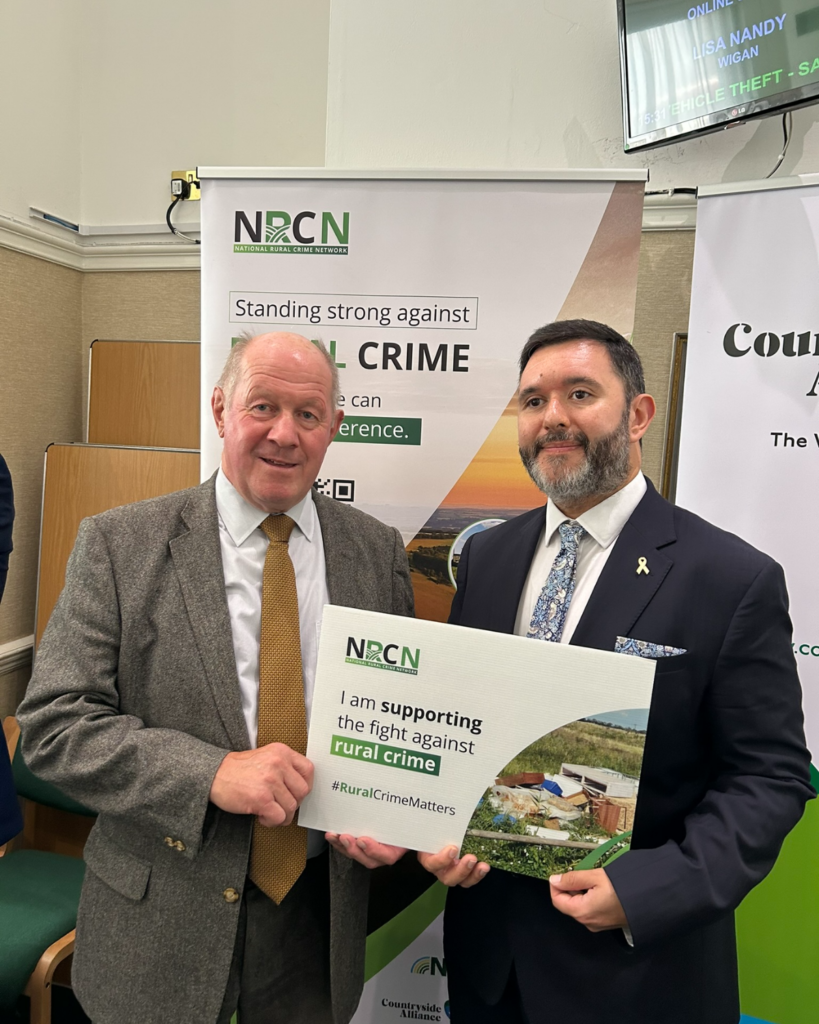
National Rural Crime Action Week 2026 puts rural communities at the heart of police reform National Rural Crime Action Week 2026 is underway from 6–11 September, with NRCN and partners putting rural communities at the heart of the conversation around police reform. Running under the theme “Police Reform Must Include Rural Communities”, this year’s Action Week is focusing on serious and organised rural crime, dedicated rural policing, partnership working and community confidence. As part of the week, NRCN and its partners are taking their proposals directly to Parliament, with an event at the UK Parliament on Tuesday 8 September bringing MPs together to discuss the impact of police reform on rural communities and the measures needed to ensure rural policing is not overlooked. Action Week also marks the launch of Rural Crime Uncovered, a new podcast hosted by Dr. Kate Tudor of Durham University. The series brings together voices from across policing and rural communities, with guests including Andy Huddleston, Head of the Police National Rural Crime Unit; Tim Passmore, Chair of NRCN; and Jo Coles, Deputy Mayor of York and North Yorkshire. The week is supported by partners including NFU, NFU Mutual, Crimestoppers, Countryside Alliance, CLA, the Rural Services Network, APCC, The Willow Project, Historic England and Naturewatch Foundation, alongside associate members including Openreach, Clearway Group, Harper Adams University, VIN Chip and SelectaDNA. Tim Passmore, Chair of NRCN, said: “Rural communities must not be an afterthought in Police reform and must reflect the realities of rural Britain. The Rural Crime Action Week will help make that case and drive change.” Resources, updates and materials from Rural Crime Uncovered are being shared across NRCN’s digital channels throughout Rural Crime Action Week
National Rural Crime Network statement on the early release of PC Andrew Harper’s killers

National Rural Crime Network statement on the early release of PC Andrew Harper’s killers The National Rural Crime Network believes the killers of PC Andrew Harper should not be released from prison early. PC Harper lost his life while serving a rural community and responding to crime. His death shocked the country and left an enduring impact on his family, his colleagues, policing, and the rural communities officers like him work every day to protect. Allowing those responsible for his death to benefit from early release would send entirely the wrong message. It risks telling the public, victims, and frontline workers that even the most serious acts of violence against those who serve and protect our communities can be met with reduced consequences. That cannot be right. Police officers, firefighters, NHS staff, social care workers and all those who serve rural communities often do so in isolated, challenging and high-risk situations. They deserve to know that the justice system stands firmly behind them when they are targeted, attacked or killed in the course of their duty. Rural communities depend on these dedicated public servants. We ask them to respond when people are at their most vulnerable, to travel long distances, to work alone or in small teams, and to place themselves in harm’s way on behalf of others. The law must reflect the seriousness of any violence committed against them. The National Rural Crime Network therefore calls on the Government to ensure that those convicted in connection with the killing of PC Andrew Harper are not released early, and to make clear that violent offences against emergency workers, NHS staff and social care staff will be treated with the gravity they deserve. This is not only about one case. It is about the value we place on public service, the safety of those who protect rural communities, and the confidence victims and frontline workers must have in the justice system. We stand with PC Harper’s family, with his colleagues, and with every public servant who puts themselves at risk to keep our rural communities safe.
5 Key Insights from the NFU Mutual Rural Crime Report 2026
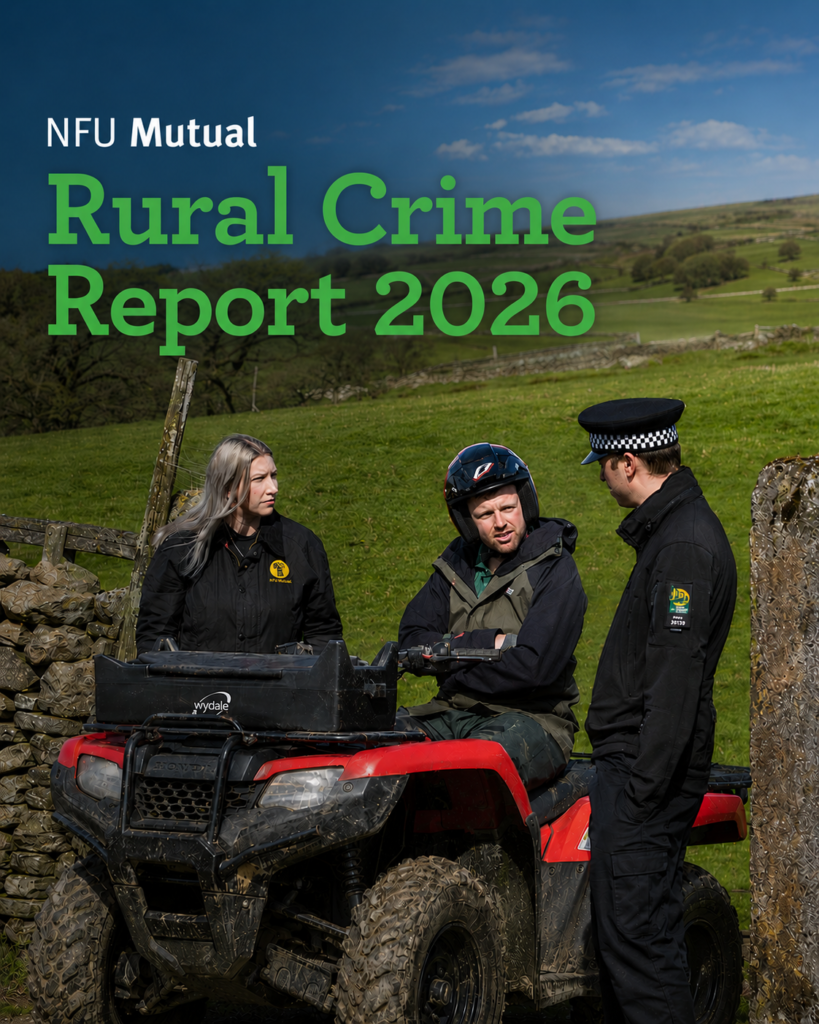
5 Key Insights from the NFU Mutual Rural Crime Report 2026 Rural crime is often seen in terms of financial loss. The stolen tractors, missing livestock, and damaged property. And yes, the numbers matter. But there is a cost that never makes it into the headlines. For many working in rural Britain, crime has left them “scared where they should feel safe.” The NFU Mutual Rural Crime Report 2026 explores wider impact of rural crime on farming communities across the UK. The rural crime cost figures fail to capture the lived reality on the ground. Below are five key insights that farmers, landowners, and rural communities should not overlook. 1. Rural crime costs have fallen, but the threat remains. The NFU Mutual Rural Crime Report 2026 brings some encouraging news. The estimated cost of rural crime across the UK fell by 6% to £41.5 million in 2025, marking the second consecutive year of decline. Andrew Huddleston KPM, Head of the National Rural Crime Unit, credits this progress to stronger collaboration between farmers, police forces, industry partners, and rural communities. However, the figures tell only part of the story. Despite this cost reduction, 91% of NFU Mutual agents say rural crime is still disrupting farming in their regions. The message is clear: progress is being made, but rural crime remains a significant challenge for communities across the UK. 2. Organised criminals continue to target the countryside One of the clearest messages from this year’s report is that rural crime is increasingly driven by organised criminality rather than opportunistic theft. High value machinery, livestock, vehicles and equipment are often stolen to order, with organised groups operating across force boundaries and moving stolen goods quickly through established criminal networks. This makes rural crime a national issue that cannot be tackled by individual communities or police forces working in isolation. It is another reminder of why intelligence sharing, cross border collaboration and sustained investment in specialist rural policing remain essential. 3. Some crimes are becoming more costly Although overall losses have fallen, several key crime types are moving in the opposite direction. The report found that the cost of quad bike and ATV theft rose by around 31%, livestock theft increased by almost 30% and agricultural vehicle theft also continued to rise. These are not just expensive assets. They are critical to the day to day operation of farms and rural businesses. When essential machinery or livestock is stolen, the consequences extend well beyond the insurance claim. Businesses face operational disruption, additional security costs and uncertainty during already challenging trading conditions. Understanding these changing crime patterns is essential if prevention efforts are to keep pace with the criminals behind them. 4. The real cost of rural crime is personal One of the strongest themes throughout the report is that rural crime cannot be measured in pounds alone. Farms are not simply places of work. They are homes, family businesses and communities. Victims often experience anxiety, frustration and a lasting loss of confidence after being targeted. Many change how they work, invest heavily in security or alter daily routines because they no longer feel safe where they live. This human impact is often overlooked, yet it remains one of the most significant consequences of rural crime. 5. Partnership continues to be the strongest defence If there is one reason for optimism in this year’s report, it is the evidence that partnership working is delivering results. The report highlights continued collaboration between police forces, insurers, farming organisations and specialist rural crime teams. Investment in initiatives such as the National Rural Crime Unit, dedicated livestock theft officers and Automatic Number Plate Recognition cameras is helping disrupt organised criminal activity and recover stolen property. These successes demonstrate that rural crime can be reduced when organisations work together, share intelligence and recognise the unique challenges faced by rural communities. Looking Beyond the Headlines The NFU Mutual Rural Crime Report 2026 shows that progress is being made. Overall rural crime costs have fallen for a second consecutive year. However, the report also highlights the challenges. Some crime types are increasing. Organised criminal groups continue to target rural areas. Many farmers are still dealing with the financial and emotional impact of crime. These five insights provide only a snapshot of the report’s findings. The full report offers a deeper look at the trends, challenges and opportunities shaping rural communities across the UK. We encourage you to read the full NFU Mutual Rural Crime Report 2026.
Rural Communities Must Not Be an Afterthought in Police Reform
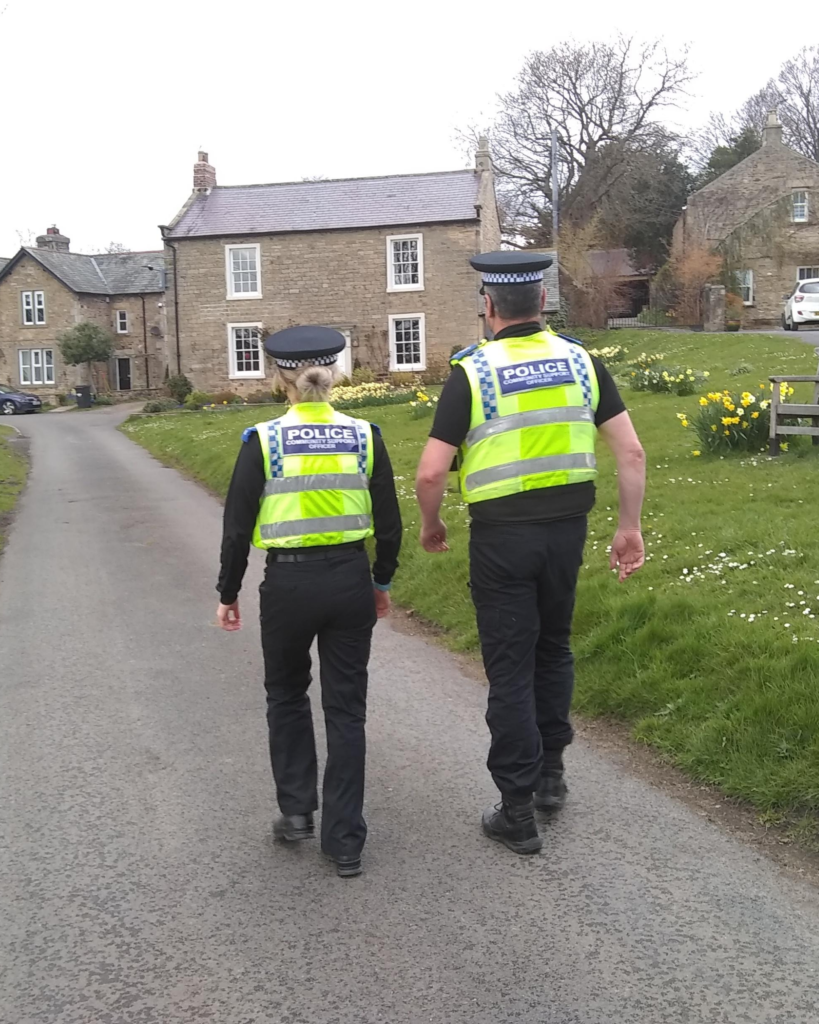
Rural Communities Must Not Be an Afterthought in Police Reform The government’s new policing reforms could strengthen safety in the countryside — but only if rural crime, rural victims and rural policing are designed into the system from the start. The UK government’s 2026 policing white paper is ambitious. It promises stronger neighbourhood policing, higher standards, more national coordination, and better use of technology across England and Wales. On paper, much of that sounds positive. But for rural communities, the real test is not how impressive reform looks in Westminster — it is whether people in villages, market towns and remote areas will actually feel safer, better protected and better served. There is no doubt that some of the proposals could bring genuine benefits. A stronger focus on neighbourhood policing could improve visibility and public confidence. Better intelligence sharing and digital capability could help forces respond more effectively to crimes that do not respect force boundaries, from organised theft and machinery crime to county lines activity and wildlife offences. Larger structures may also make it easier to build the specialist capability that rural policing has often lacked. But rural communities have heard promises before. The danger in any major restructuring is that centralisation can unintentionally pull people, resources and decision-making further away from the places that most need local knowledge. In policing, local knowledge matters. It matters when officers understand isolated road networks, know which farms or businesses are repeatedly targeted, and recognise the vulnerabilities that can remain hidden behind distance and sparse population. If reform results in fewer visible officers, slower response, or less understanding of rural harm, then it will fail the countryside. That is why the National Rural Crime Network should back reform only on clear conditions. If a new National Police Service is created, serious organised rural crime must be explicitly recognised within its mission. Rural communities should not have to argue that organised theft, cross-border offending, and the targeting of farms, machinery, fuel, livestock and wildlife are somehow niche concerns. They are serious crimes with serious economic and human consequences, and they deserve a serious national response. The specialist National Rural Crime Unit should also be embedded fully into the new national landscape, not left at the margins. Its value lies not only in operational expertise against organised criminal groups, but also in its ability to spread best practice, build consistency between forces, and ensure that rural communities are not overlooked in national policing priorities. If government is serious about modernising policing, it should also be serious about retaining and strengthening the expertise that already exists. Just as importantly, every aspect of reform should be rural proofed. Funding formulas must reflect large geographies, long travel times, sparse populations and hidden demand. Expectations for neighbourhood policing must include visible, named officers or teams serving rural areas, not just urban centres. And each force should maintain access to specialist rural crime capability and strong cross-border intelligence links. Without those safeguards, rural policing will continue to be judged by systems that were never built around rural realities in the first place. This is the practical test NRCN should apply to the white paper: will these reforms improve visibility, response, victim confidence and protection for rural communities? If the answer is yes, then reform deserves support. If the answer is no, or even uncertain, then ministers must go further. Rural communities are not a footnote to national policing. They are a vital part of the country, and they deserve reform that recognises their risks, values their contribution and protects their future. The NRCN has been actively engaged with the independent review commission to ensure the voice of rural communities is heard and we has submitted a position statement to the commission setting out how we believe the proposed reforms could work for rural communities and businesses. Police Reform White Paper: Implications for Rural Communities and NRCN Position Statement Download PDF
Drones, GPS, and Forensic Marking: Role of Technolgy in Rural Crime Prevention

Drones, GPS, and Forensic Marking With large landscapes, limited CCTV, and longer response times, rural areas face a unique set of vulnerabilities that organised criminal networks have learned to exploit with precision. Vast and sparsely populated geographies mean that traditional investigative tools are harder to deploy, response times are longer, and crimes can go undetected for days. Therefore, rural crime is no longer perceived as a matter of opportunistic petty theft. According to the NFU Mutual Rural Crime Report 2025, rural crime cost the UK an estimated £44.1 million in 2024, indicating that it is a devastating burden on the farming communities and rural businesses. Organised criminal gangs systematically target farms and estates, exploiting the isolation and limited police visibility that rural areas face. The National Rural Crime Network (NRCN) warns that many of these criminal networks deliberately cross police force borders to evade detection. Drones: Visibility Where It Didn’t Exist Before Unmanned Aerial Vehicles (UAVs) or Drones are becoming an increasingly useful tool in policing as they provide a bird’s-eye view of an incident, help locate people, track criminals, and support front-line decision-making in real time. As per a 2023 Government survey, UK police forces routinely use drones equipped with high-definition cameras and thermal imaging and have completed around 60,000 drone flights a year. The NPCC Drone as First Responder (DFR) programme is conducting trials for remotely deployed drones that can reach an incident scene within minutes, streaming live footage directly to police control rooms. In these challenging rural landscapes where farms, fields, tracks and woodland can be difficult to monitor quickly from the ground, drones can help improve visibility, support evidence gathering, and assist with incidents such as illegal waste dumping. GPS tracking: Recovering the stolen assets GPS tracking can play a role in protecting high-value assets such as quad bikes and agricultural machinery. In 2024 alone, theft of quad bikes and ATVs reported to NFU Mutual cost an estimated £2.7 million, while GPS theft was estimated at £1.2 million, underlining the scale of the problem facing rural businesses. These tracking devices concealed within tractors, quad bikes, and trailers have become one of the most effective asset-recovery tools available to farmers. When a theft occurs, live location data is shared to police, enabling rapid interception before stolen equipment crosses county or national borders. The continuous collaborative efforts between the National Rural Crime Unit (NRCU) and NFU Mutual led to the seizure of £4.4 million worth of stolen agricultural vehicles and machinery in 2024 alone. Hampshire police recommend using GPS tracking devices to at-risk rural vehicles, while a Home Office-backed scheme highlighted that tracking technology can alert owners when machinery moves outside a designated area and is being promoted to improve recovery prospects. Forensic marking: Making theft less profitable Forensic marking solutions, make use of a uniquely coded liquid to property that is invisible to the naked eye but detectable under UV light. Once marked, equipment, machinery and other assets can be directly traced back to its rightful owner, even years after theft. Rural crime prevention guidance notes that property marking can deter offenders and improve the chances of tracing and returning stolen items and specifically recommends forensic marking solutions for higher-value equipment. The government has now confirmed that it will introduce regulations requiring all new ATVs and GPS units to carry forensic markings and appear on a national property database. What next steps do we need to take Technology is not a replacement for policing, partnership working or strong rural policy, but it is becoming an increasingly important part of the response to rural crime which can be best used with a support of well-funded rural policing, partnership among various stakeholders and coordinated intelligence-sharing. Also, farmers and landowners should be supported to adopt these tools, and rural crime must be treated as a serious, organised threat and not a peripheral concern.
National Rural Crime Action Week Press Release

The Human Impact of Rural Crime National Rural Crime Conference 2026 Stakeholders, policymakers, law enforcement leaders, and rural community representatives came together at the 2026 annual conference hosted by the National Rural Crime Network (NRCN). This formal discussion around the growing challenges of rural crime across the UK provided a vital platform for collaboration and the development of key approaches to tackling serious and organised rural crime. Tim Passmore, NRCN Chair, highlighted the ongoing need for increased funding, stronger legislation, and continued support for frontline rural policing teams. He was followed by a range of high-profile speakers, including government representatives, policing leaders, and sector experts. Discussions led by them focused on key issues such as organised crime gangs, domestic abuse in rural areas, wildlife and heritage crime, and the economic impact of offences such as machinery theft and fly-tipping. The Conference also welcomed the Crime and Policing Minister, Rt Hon Sarah Jones MP, who delivered a national keynote on rural crime. She shared the government’s commitment to tackling rural crime by offering funding for the National Wildlife Crime Unit and the National Rural Crime Unit, with over £800,000 in total for the next financial year. This reinforced the government’s allegiance to tackling rural crime and supporting the frontline. Throughout the day, speakers highlighted the often “hidden” nature of crime in rural areas, including domestic abuse, stalking, and mental health challenges, underlining the need for greater awareness and targeted support. The event also showcased the work of partner organisations, charities, and industry leaders who are developing innovative solutions to improve safety and security in rural communities. The conference was widely featured across national, regional and community media, including BBC, Farmers Weekly, Farmers Guardian, York Press, and Hello Rayo.This extensive coverage helped amplify key messages, reach diverse audiences, and raise awareness of the pressing issues affecting rural communities, while strengthening calls for strategic action. Closing the conference, NRCN reiterated its mission to raise the profile of rural crime and to advocate for stronger protections for rural communities and businesses.The Network extended its thanks to Openreach for sponsoring the conference and recognised the valuable support of its associate members and partners, including Harper Adams University, Clearway, VinChip and SelectaDNA, whose contributions were instrumental in bringing these important conversations together.
Livestock Attacks Cost to UK Farmers £1.95 Million in 2025

Livestock Attacks Cost to UK Farmers £1.95 Million in 2025 Rural communities are facing a growing threat from dog attacks on farm animals. According toNFU Mutual reports 2025, livestock worrying caused an estimated £1.95 million in losses, a 10 % increase from 2024. A survey of 1,407 dog owner’s highlights worrying trends: over 57 % let their dogs the off lead in the countryside, 1 in 10 dogs have no recall, 1 in 20 have chased livestock, and 72 % of owners are not taking steps to prevent chasing. Even calm or friendly dogs can chase livestock, and the stress alone can seriously harm or even kill pregnant ewes and newborn lambs. Rob Taylor, NPCC’s livestock attacks lead and NRCN Board Member, stresses that responsible ownership is key to preventing these incidents. With countryside visits set to rise, the NRCN and our partners are encouraging: Keep dogs on a lead anywhere livestock may be present Let go of the lead if chased by cattle, for your own safety Never let dogs roam unsupervised, even in gardens near livestock fields Report any incidents to the police or local farmers immediately Recognise that all dogs can chase or injure livestock, regardless of size or breed Together, we can prevent distressing and costly attacks this season. The upcoming Dogs (Protection of Livestock) (Amendment) Act gives police stronger powers in England and Wales. Everyone can help by keeping dogs on a lead near livestock, supervising them, and reporting incidents immediately. Together, we can help prevent distressing and costly attacks this season.
Countryfile Exposes the Reality of Rural Abuse

Countryfile Exposes the Reality of Rural Abuse Countryfile Exposes the Reality of Rural Abuse We need Action on Tackling Rural Domestic Abuse! We are pleased to see BBC Countryfile highlight the often hidden realities of rural domestic abuse, stalking and sexual violence. The NRCN’s groundbreaking research, published nearly seven years ago, remains just as relevant today, but awareness alone isn’t enough. We need action. Rural domestic abuse isn’t worse than abuse elsewhere, but it is different, and it demands a different response. Yet the Government’s recent VAWG strategy contains no dedicated rural measures. We’ll continue pushing for the recommendations of Captive and Controlled to be implemented and proudly stand alongside Judith Vickress, RiTA (Rural Initiatives Tackling Abuse), and others driving real change. A huge thank you to Rhianon Bragg, whose courage in sharing her story helps ensure the government and the public understand the unique challenges survivors face in rural communities.